 how-to
Is Wireless Charging Safe for Devices: A Complete Guide
Table of Contents
- Is Wireless Charging Safe for Devices: The Short Answer
- How Wireless Charging Works and Why Safety Matters
- Wireless Charging Battery Health: What Actually Happens
- Is It Safe to Leave Phone on Charger Overnight
- How to Prevent Phone Overheating While Charging
- Certified Accessories vs. Third-Party Hardware
- Long-Term Device Longevity: Wireless Charging Impact
- Conclusion
Last Updated: August 23, 2026
Is Wireless Charging Safe for Devices: The Short Answer
Wireless charging is safe for devices when you use certified chargers and follow basic precautions. The technology relies on electromagnetic induction, which transfers energy without physical contact and poses no health risk from non-ionizing radiation. Your phone's built-in overcharging protection mechanisms prevent damage from extended charging sessions. The real safety considerations center on heat management, accessory quality, and proper alignment, not the wireless charging process itself.

At Esther Tech Shop, we've helped professionals simplify their desk setups with wireless charging solutions. The most common concern we hear is whether leaving a phone on a charger overnight will damage the battery or create a fire hazard. The short answer is no, but understanding why requires looking at how modern devices actually protect themselves.
How Wireless Charging Works and Why Safety Matters
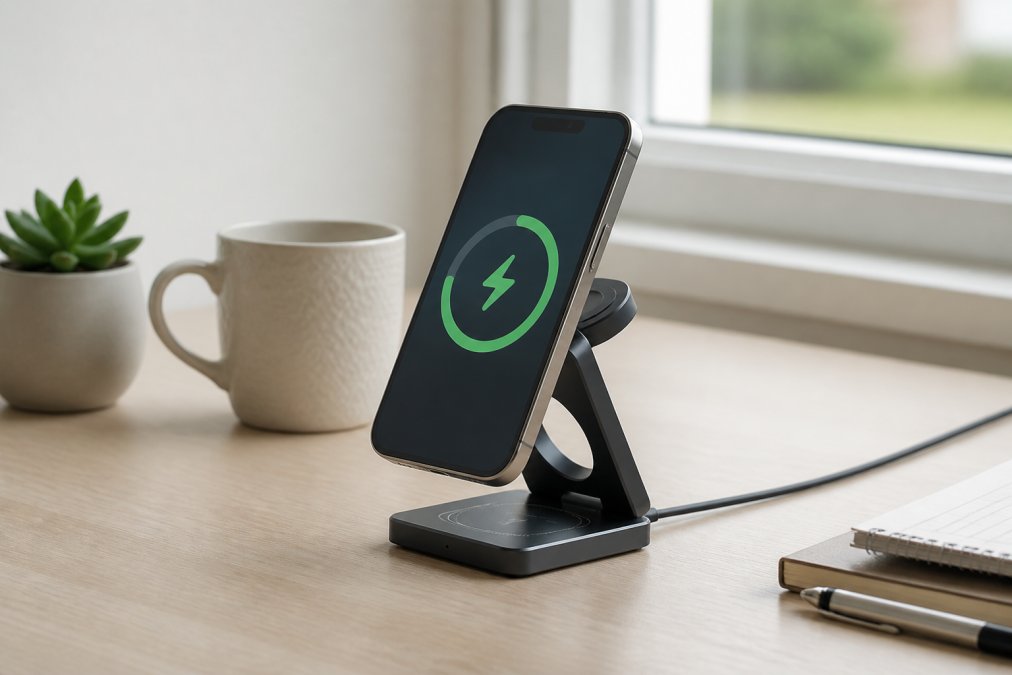
Wireless charging uses electromagnetic induction to transfer power from a charging pad to your device. A coil in the charger generates an alternating electromagnetic field, and a matching coil in your phone receives that energy and converts it to direct current for the battery. This process involves non-ionizing radiation, the same type used in radio broadcasts and WiFi, which has no documented ability to damage living tissue or electronic components.
The Qi standard, established by the Wireless Power Consortium, sets safety requirements for all certified chargers sold in the market. These standards define maximum power output, foreign object detection systems, and thermal limits. When you buy a Qi-certified charger, you're getting a device that has been tested to prevent overheating, electrical hazards, and interference with your phone's internal components.
Electromagnetic Induction and Non-Ionizing Radiation
The electromagnetic fields generated by wireless chargers are far too weak to ionize atoms or damage DNA. Non-ionizing radiation differs fundamentally from ionizing radiation like X-rays. The frequency and power levels in Qi chargers fall well within safety guidelines established for consumer electronics. Your exposure to electromagnetic fields from a wireless charger is lower than from your phone's cellular antenna during a call.
The inductive coupling process is actually quite efficient for short distances. When your phone sits properly aligned on the charging pad, the magnetic fields align perfectly, minimizing energy loss and heat generation. Misalignment or obstructions increase energy loss, which is why thermal management becomes important, a topic we'll address in detail below.
The Role of Qi Certification and Safety Standards
Qi certification is your assurance that a charger has been independently tested and meets strict safety protocols. Certified chargers include foreign object detection systems that sense metal objects, coins, or other conductive materials on the pad and shut down power before damage occurs. They also include voltage regulation circuits that maintain safe power delivery levels.
Third-party chargers without Qi certification may lack these safety features entirely. An uncertified charger might deliver inconsistent voltage, generate excessive heat, or fail to detect foreign objects. This is where the real safety risk emerges, not from wireless charging technology itself, but from poorly manufactured hardware that bypasses safety standards.
Wireless Charging Battery Health: What Actually Happens
Your phone's battery degrades with every charge cycle, whether that charge comes from a wireless or wired charger. A lithium-ion battery typically retains 80% of its capacity after 500 full charge cycles (peer-reviewed research). Wireless charging doesn't accelerate this degradation compared to wired charging, assuming both operate at similar power levels and temperatures.
The distinction between wireless and wired charging efficiency matters more than you might expect. Wireless chargers typically operate at 5-15W of power, while wired chargers range from 18W to 65W or higher. Lower wattage means lower heat generation and gentler treatment of the battery. However, this efficiency advantage only applies if your wireless charger uses proper thermal management.
Charging Cycles and Lithium-Ion Battery Degradation
A charging cycle is counted when your battery goes from fully depleted to fully charged, or when it completes the equivalent through partial charges. Modern phones track this internally and adjust charging behavior accordingly. Your device's power management integrated circuit (PMIC) monitors voltage and temperature throughout the charging process, slowing the charge rate as the battery approaches full capacity.
Wireless charging naturally delivers power more slowly than fast-wired chargers. This slower delivery rate is actually beneficial for battery longevity. The battery experiences less stress when current is delivered gradually, which is why overnight wireless charging on a properly designed system causes minimal battery degradation over time.
Wireless vs. Wired Charging Efficiency
Wired charging transfers energy directly through a physical connection, achieving 85-95% efficiency (peer-reviewed research). Wireless charging loses energy as heat during the inductive transfer process, typically achieving 70-80% efficiency. This means a wireless charger delivering 15W of useful power requires about 19W of input power, with the difference dissipated as heat in both the charger and your phone.
The efficiency gap matters most during fast charging. A 65W wired charger generates significant heat and delivers charge very quickly, which stresses the battery. A 15W wireless charger generates less heat and charges more slowly, reducing stress on the battery chemistry. For device longevity, the slower wireless approach is actually superior, despite the efficiency difference.
Is It Safe to Leave Phone on Charger Overnight
Leaving your phone on a wireless charger overnight is safe because modern devices include multiple layers of overcharging protection. Once your battery reaches full capacity, the charging system switches to a trickle-charge mode that maintains the charge without forcing additional current into the battery. Your phone's firmware monitors battery voltage and temperature, automatically reducing power delivery when either approaches safe limits.
The real risk from overnight charging isn't the charging itself, it's heat accumulation if your phone is trapped under blankets, in a case with poor ventilation, or in a warm room. A phone charging on an open desk with airflow will stay cool enough for safe overnight charging indefinitely.
Overcharging Protection Mechanisms
Your phone includes a battery management system that prevents true overcharging. The charging circuit monitors voltage across the battery terminals and cuts off current when voltage reaches the maximum safe level, typically 4.2-4.35V for lithium-ion cells (peer-reviewed research). This happens automatically and requires no user intervention.
After the battery reaches full charge, the charger switches to float mode, delivering just enough current to compensate for the battery's natural self-discharge. This trickle charge is measured in milliamps and poses no risk to the battery. Your phone can remain on a charger indefinitely without damage from overcharging.
The concern some people raise about "battery memory" is outdated. Modern lithium-ion batteries don't develop memory effects like older nickel-cadmium batteries did. Leaving your phone fully charged doesn't degrade the battery faster than normal use.
Heat Generation and Thermal Management
Heat is the primary factor that affects battery longevity during wireless charging. Lithium-ion batteries degrade faster at elevated temperatures. A battery that spends its life at 35°C will degrade noticeably faster than one kept at 25°C. During wireless charging, heat is generated in three places: the charger's coil, the phone's receiving coil, and the battery itself.
Proper thermal management requires airflow around the phone and charger. A phone sitting on an open charging pad on your nightstand will dissipate heat effectively. The same phone wrapped in blankets or trapped in a thick case will accumulate heat and stress the battery. This is why environmental factors matter more than the charging method itself.
How to Prevent Phone Overheating While Charging
The most effective way to prevent overheating is to ensure adequate airflow around your phone and charger during the charging process. Place your charger on an open surface, not enclosed in a drawer or cabinet. Keep your phone's back surface exposed, not pressed against a wall or trapped under blankets.
Remove thick protective cases during overnight charging if your phone tends to run warm. Cases designed for maximum protection often prioritize durability over thermal conductivity, trapping heat against the device. A thin case or no case allows heat to dissipate more effectively.
Phone Cases, Metal Objects, and Foreign Object Detection
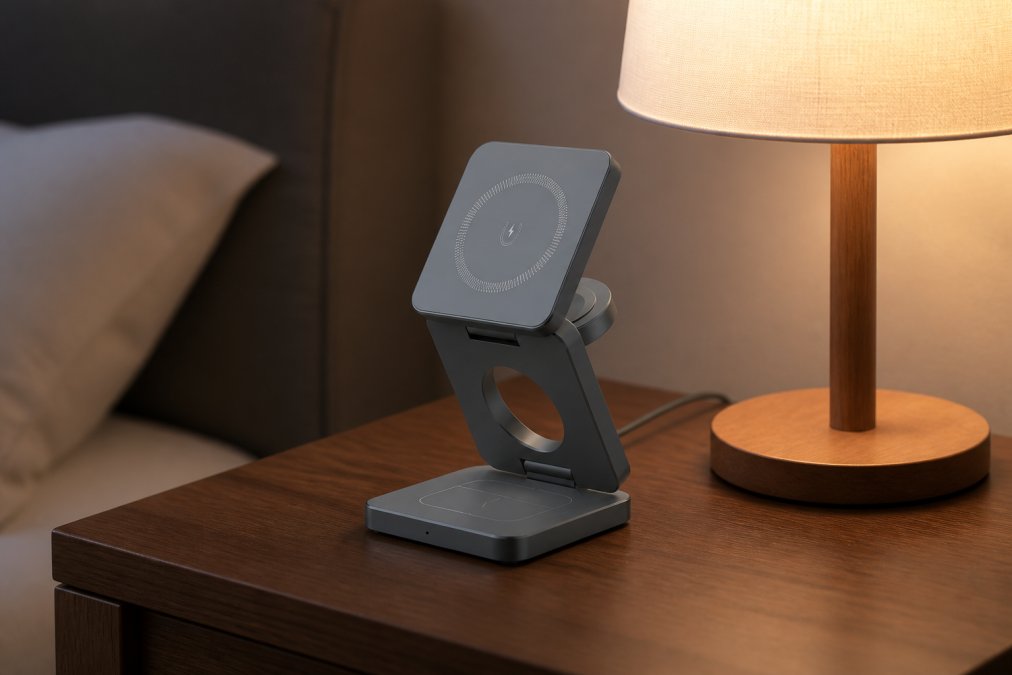
Wireless chargers work through most materials, but some cases interfere with the charging process. Thick metal cases or cases with metal plates for magnetic mounts will block or severely degrade the electromagnetic field. Your charger's foreign object detection system will sense the metal and may shut down power to prevent overheating.
The best cases for wireless charging are made from materials like TPU or polycarbonate without metal components. Magnetic phone rings and mounts designed for wireless charging use special materials that don't interfere with the inductive coupling. If your case is blocking wireless charging, consider removing it during charging sessions.
Metal objects left on the charging pad pose a genuine safety risk. A coin, keys, or metal jewelry on the pad will heat up as the charger tries to deliver power through them. The foreign object detection system should shut down power immediately, but not all chargers include this feature. Always keep the charging surface clear of metal objects.
Environmental Factors and Ambient Temperature
The room temperature where you charge significantly affects how much heat your phone accumulates. Charging in a 75°F room is safer than charging in an 85°F room. During summer months or in warm climates, consider moving your charging location to a cooler area or adjusting your charging schedule to cooler times of day.
Humidity also plays a minor role. High humidity reduces the charger's ability to dissipate heat through the air. In humid environments, ensure even more airflow around the charging setup. A small fan pointed at your charging pad during overnight charging can help maintain safe temperatures, though this is rarely necessary in normal home environments.
Direct sunlight on your charger or phone during wireless charging will increase temperature. Keep your charging pad away from windows where it might receive afternoon sun. This is particularly important during summer months when ambient temperatures are already elevated.
Certified Accessories vs. Third-Party Hardware
The quality difference between certified and uncertified wireless chargers is dramatic. A certified Qi charger from a reputable manufacturer includes proper voltage regulation, temperature monitoring, and foreign object detection. An uncertified charger might deliver unstable power, generate excessive heat, or lack any safety features whatsoever.
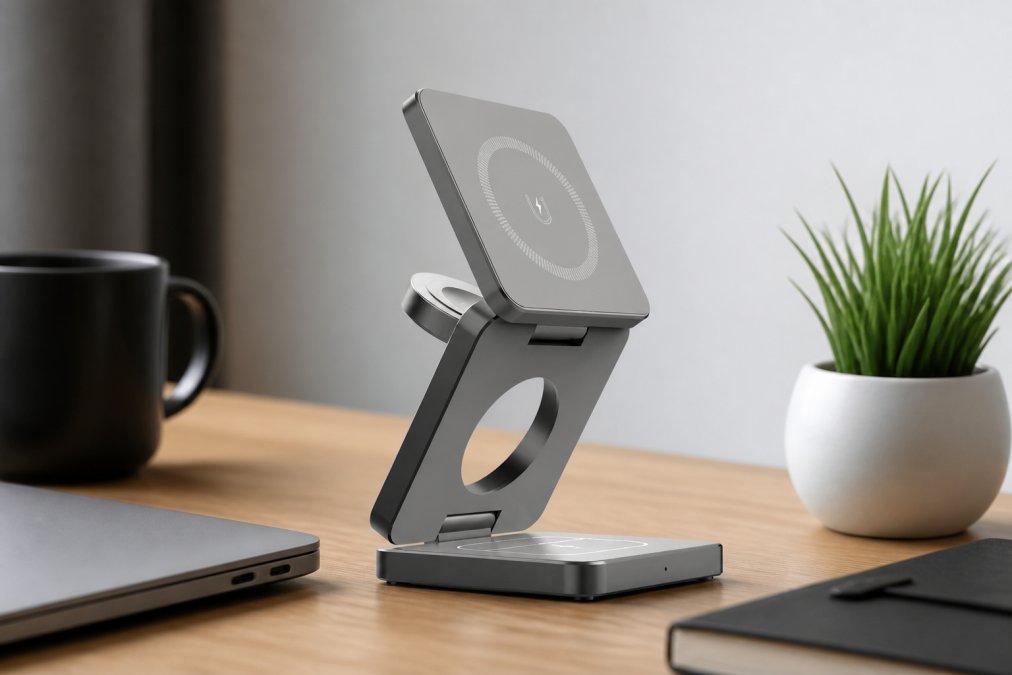
Certified chargers cost more, but the safety margin justifies the expense. When you buy from Esther Tech Shop, every wireless charger we carry meets Qi certification standards. Our 3-in-1 Magnetic Wireless Charging Station delivers 15W of stable power with proper thermal management, designed specifically for devices that support fast wireless charging. The magnetic alignment system ensures your phone sits in the optimal position for efficient power transfer and minimal heat generation.
Third-party chargers sold through unvetted marketplaces often make claims about power output they can't deliver. A charger advertised as 20W might only deliver 10W consistently, or it might deliver 20W without proper voltage regulation, damaging your device. The price difference between a certified charger and an uncertified one is usually small, but the risk difference is enormous.
Long-Term Device Longevity: Wireless Charging Impact
Wireless charging doesn't shorten your phone's lifespan compared to wired charging. The real factor determining device longevity is how you treat the battery throughout its life. Keeping your phone cool, avoiding deep discharges, and not leaving it fully charged for extended periods at high temperatures all contribute to longer battery health. Wireless charging actually supports these best practices because the lower power delivery naturally keeps temperatures down.
If you charge wirelessly overnight and avoid exposing your phone to high temperatures during the day, you'll likely see your battery retain good capacity after years of use. This matches or exceeds the longevity you'd get from wired charging, assuming the wired charger isn't a high-wattage fast charger.
Wireless charging is genuinely safe when you use certified equipment and follow basic thermal management practices. The technology has been tested extensively and is used in millions of devices daily without incident. The safety features built into modern phones and chargers handle the technical complexities automatically, leaving you free to enjoy the convenience of cable-free charging.
If you're ready to simplify your desk setup and eliminate cable clutter, the Esther Tech Shop 3-in-1 Magnetic Wireless Charging Station is designed for professionals who want reliable, fast wireless charging with guaranteed safety. It delivers 15W of stable power, includes proper thermal management, and features magnetic alignment that ensures your phone charges efficiently every time. With our 24-48 hour shipping guarantee and customer service available Monday to Saturday, 9 a.m. - 8 p.m., you'll have your setup running smoothly from day one.
Frequently Asked Questions
Q: Is wireless charging safe for devices in general?
A: Yes, wireless charging is safe for devices when you use certified Qi-standard chargers. Wireless charging relies on electromagnetic induction to transfer power without physical contact, which produces non-ionizing radiation that does not damage cells. Modern phones include overcharging protection mechanisms and thermal management systems that prevent damage. The key is purchasing from reputable manufacturers and avoiding uncertified third-party hardware that may lack proper voltage regulation and safety protocols.
Q: How does wireless charging affect battery health?
A: Wireless charging has a slightly lower efficiency rate than wired charging due to energy loss during inductive coupling, which generates heat. This additional heat can accelerate lithium-ion battery degradation over time. However, the difference is modest when using certified chargers with proper thermal management. Phones with power management integrated circuits actively regulate charging to protect battery longevity. The real factor affecting battery health is the total number of charging cycles, not whether you charge wirelessly or with a cable.
Q: Is it safe to leave my phone on a wireless charger overnight?
A: Yes, it is safe to leave your phone on a wireless charger overnight. Modern phones have built-in overcharging protection that stops active charging once the battery reaches 100%, reducing voltage to a maintenance level. This prevents damage to the lithium-ion battery. However, extended heat exposure can gradually degrade battery capacity over months or years. To maximize longevity, remove your phone once fully charged if possible, or use chargers designed to slow charging during overnight sessions to minimize heat generation.
Q: What can I do to prevent my phone from overheating while charging wirelessly?
A: Remove thick phone cases or metal objects that block heat dissipation during wireless charging. Ensure your charger has proper foreign object detection to prevent misalignment, which causes energy loss and excess heat. Keep the charging area in a cool, well-ventilated space away from direct sunlight or warm environments. Avoid using your phone while it charges wirelessly, as active use plus charging heat compounds thermal stress. Choose certified chargers like the 3-in-1 Magnetic Wireless Charging Station with stable 9V/2A power delivery to ensure efficient, controlled power transfer.
This article was written using GrandRanker